
WIS is located on two beautiful campuses in northwest Washington, DC.
THE PRIMARY SCHOOL
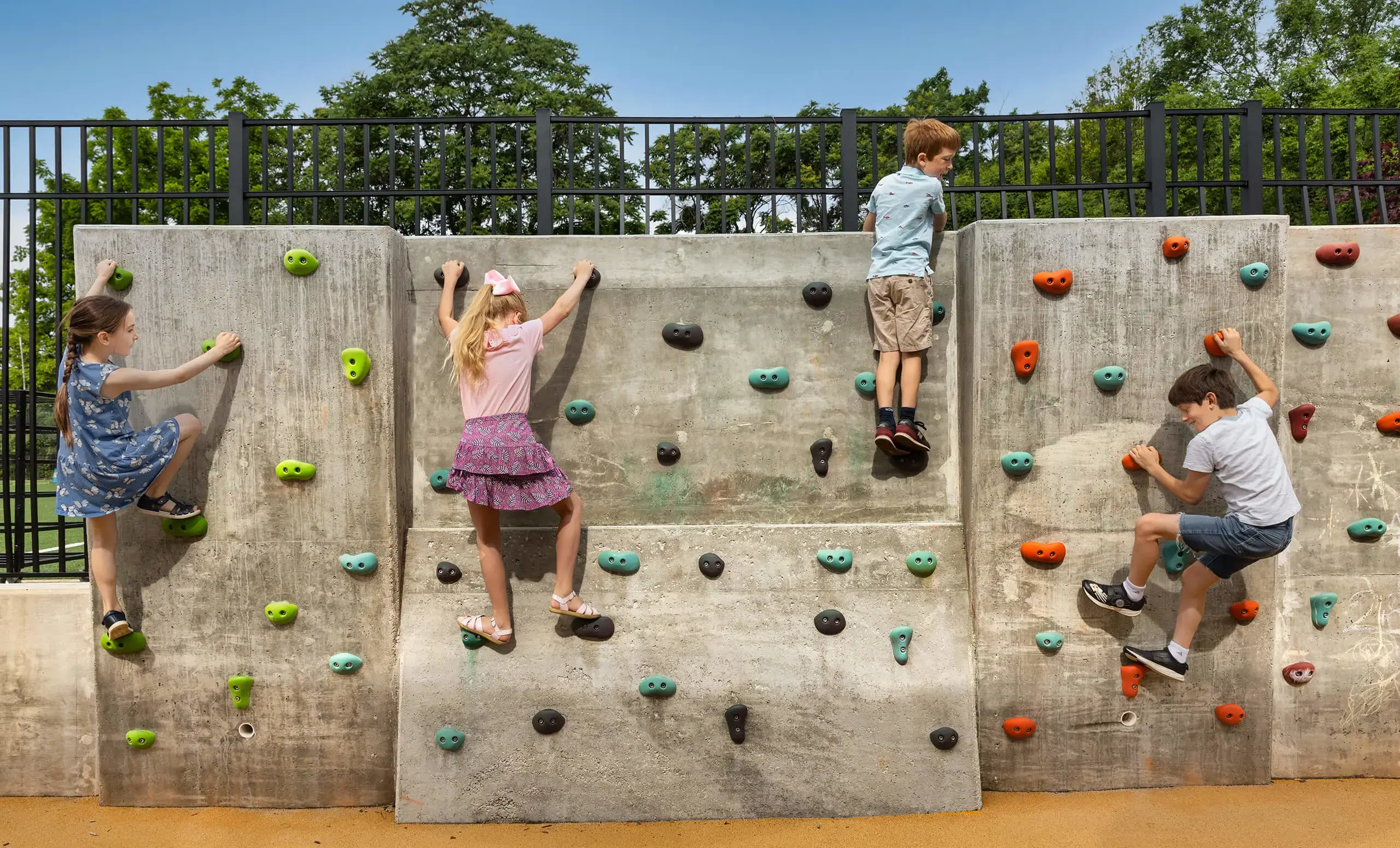
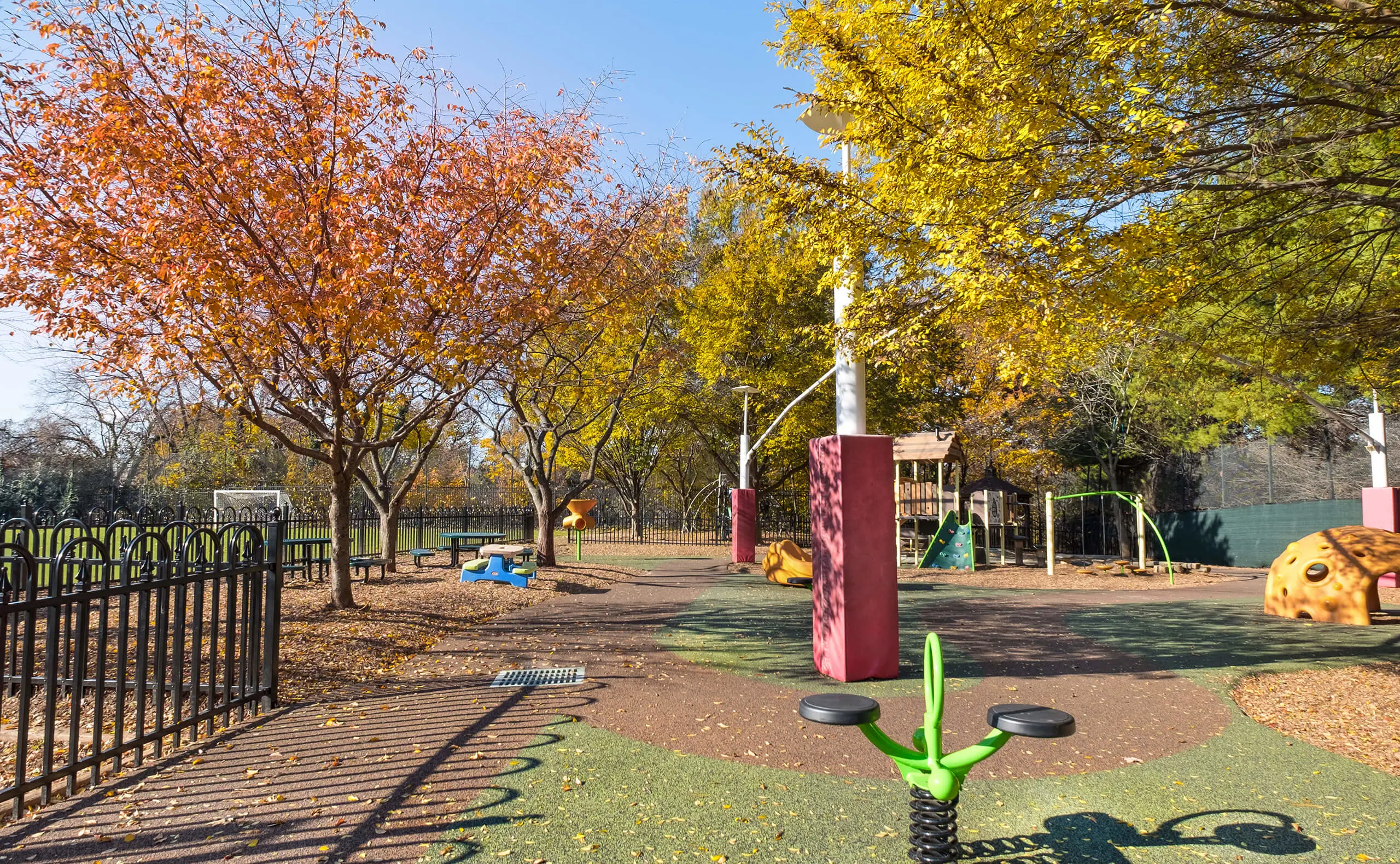
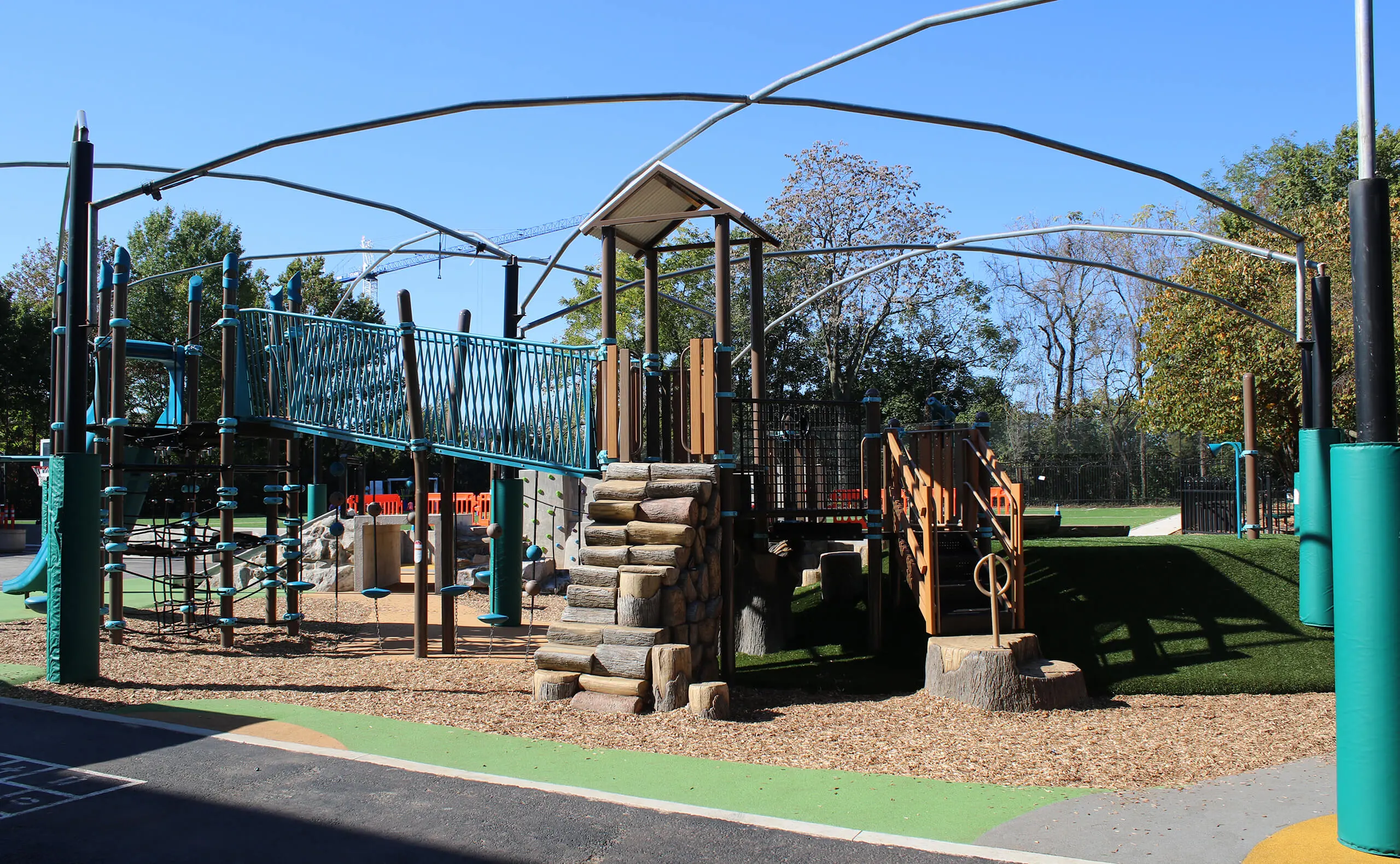
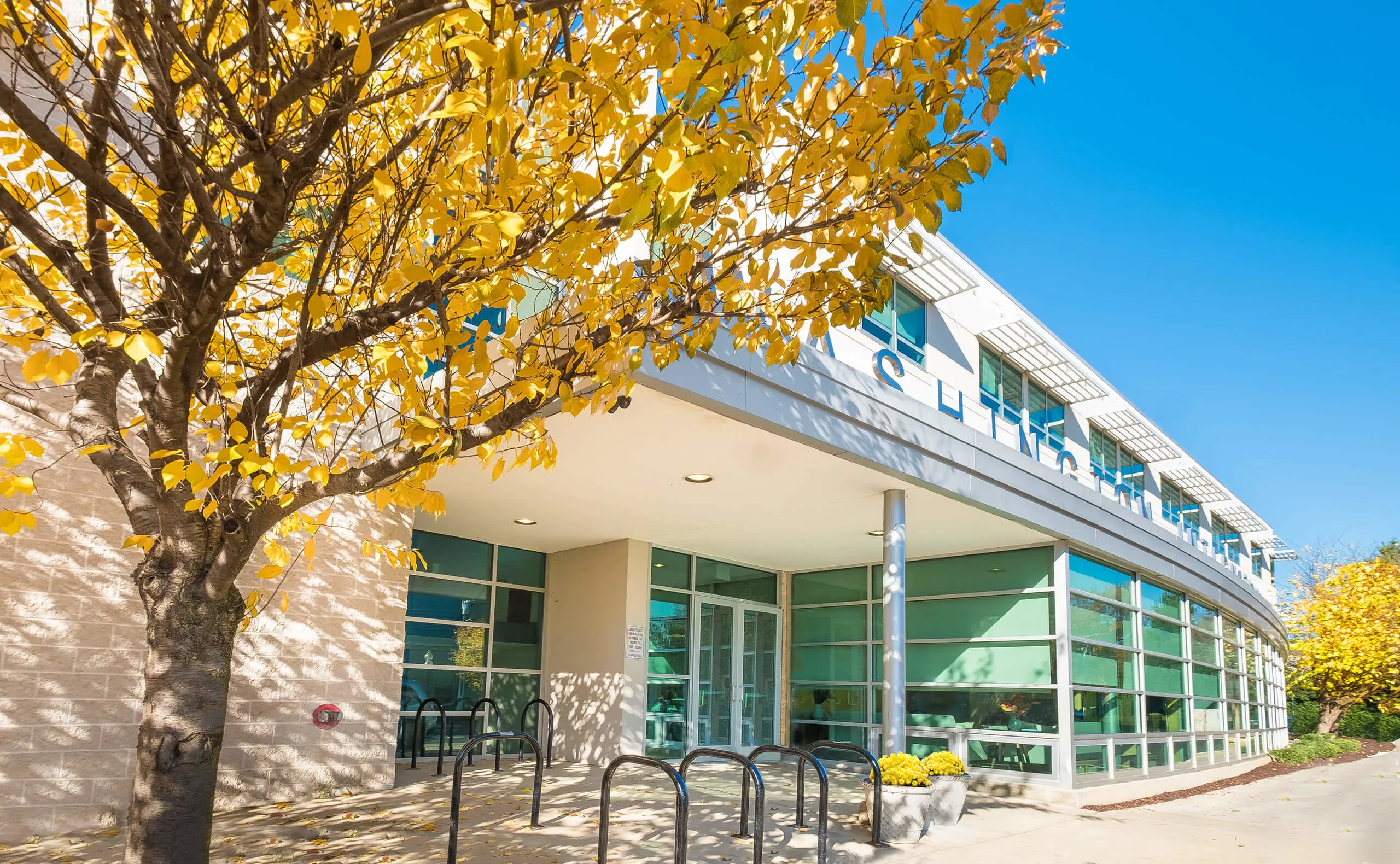
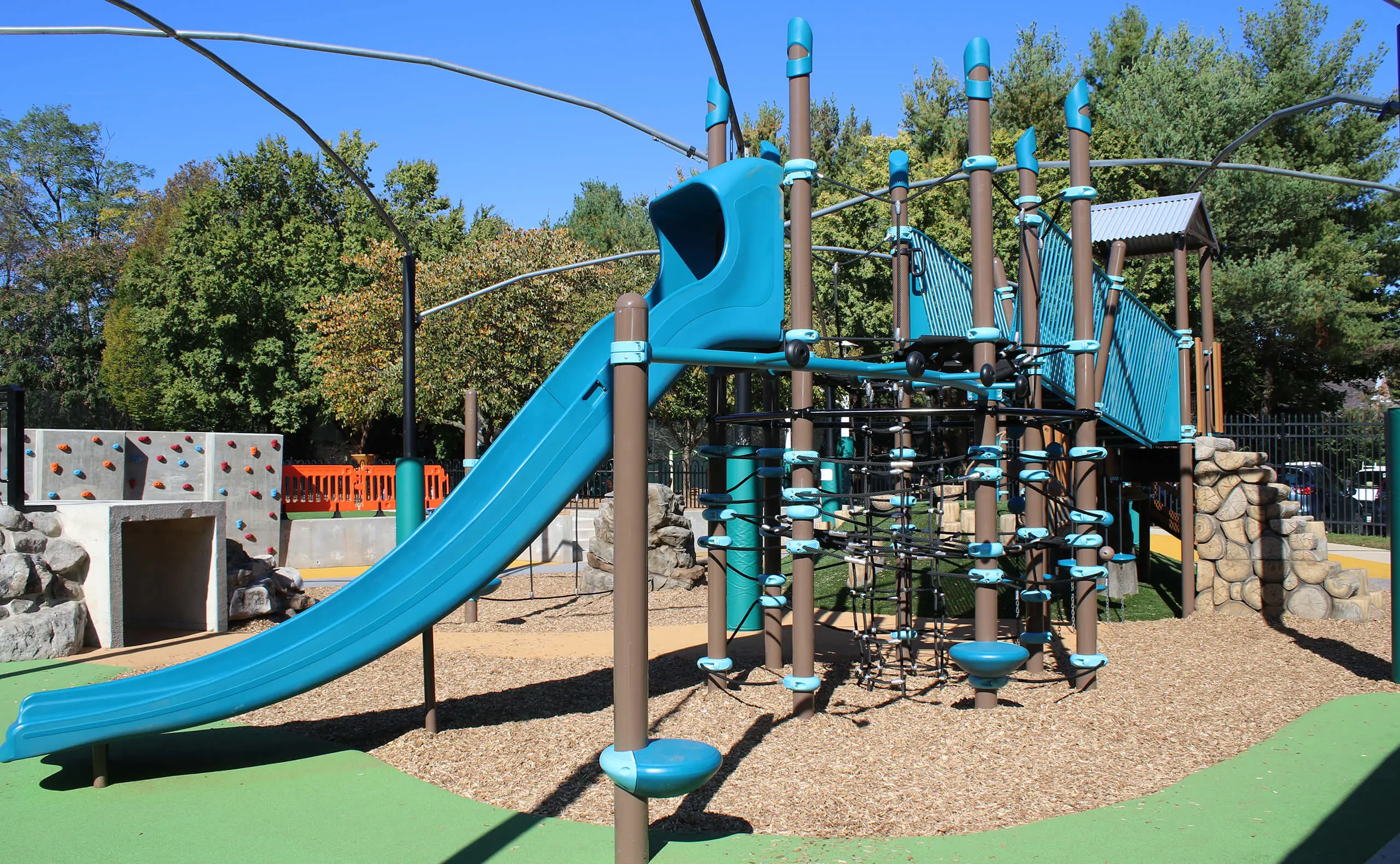
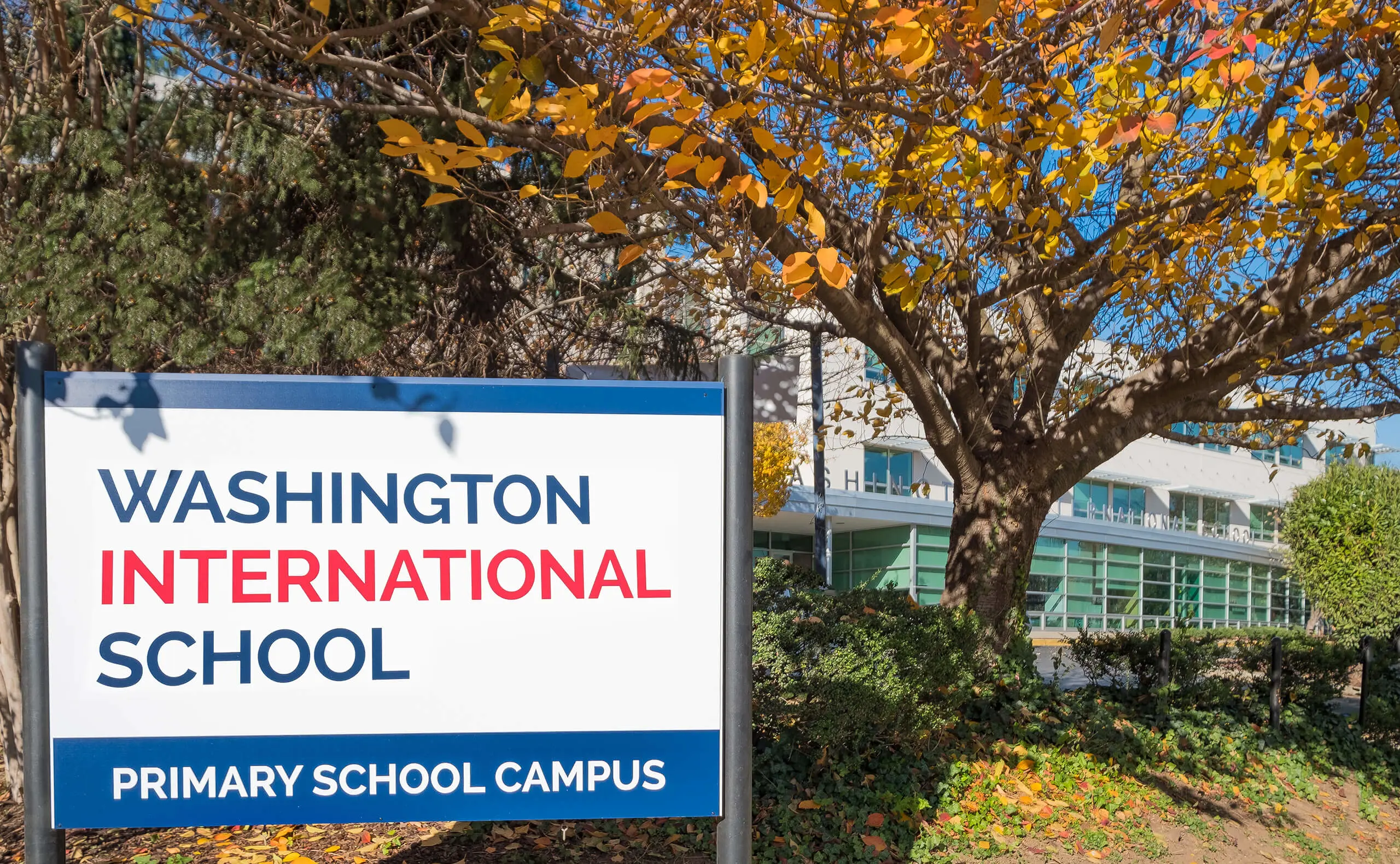
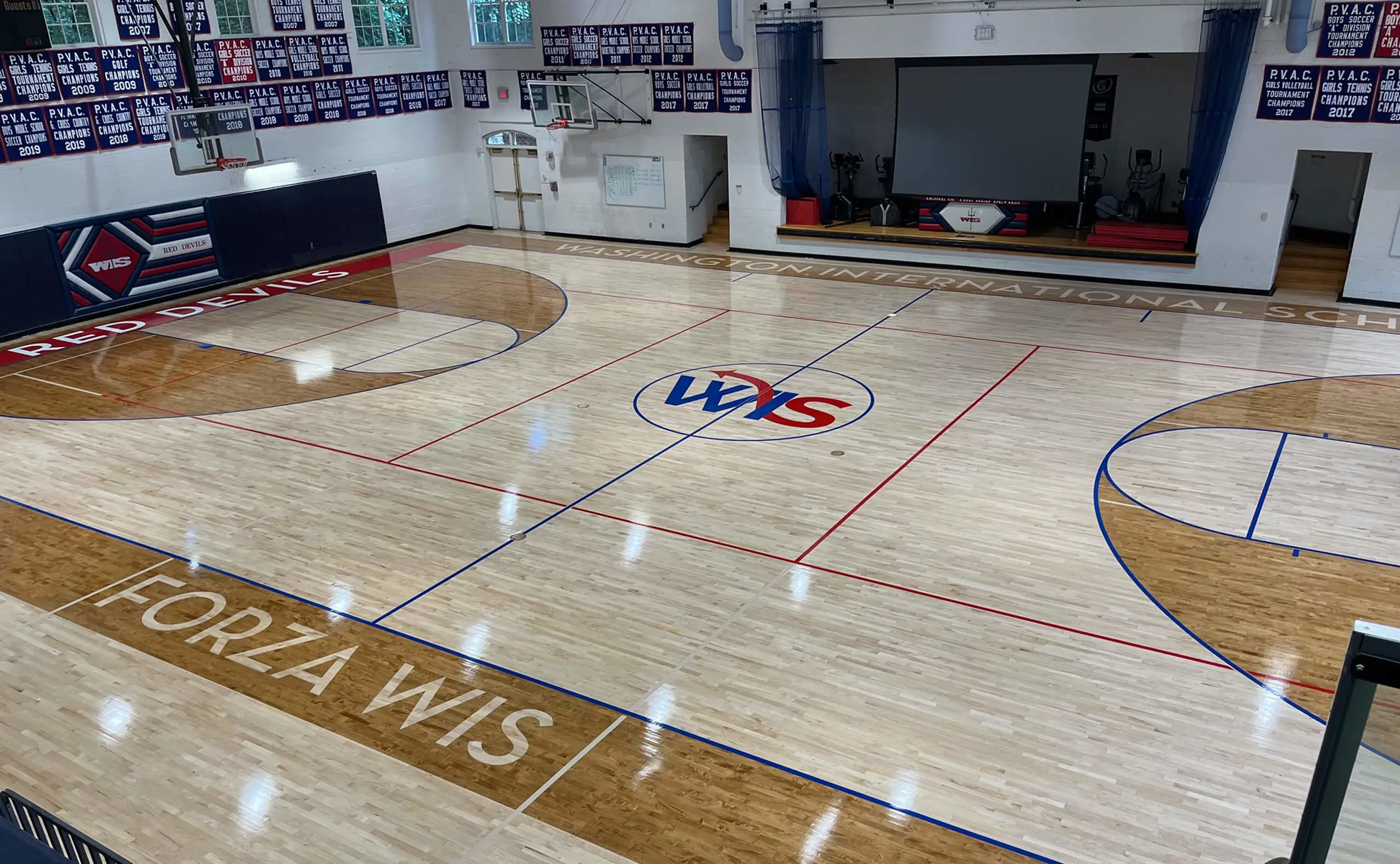
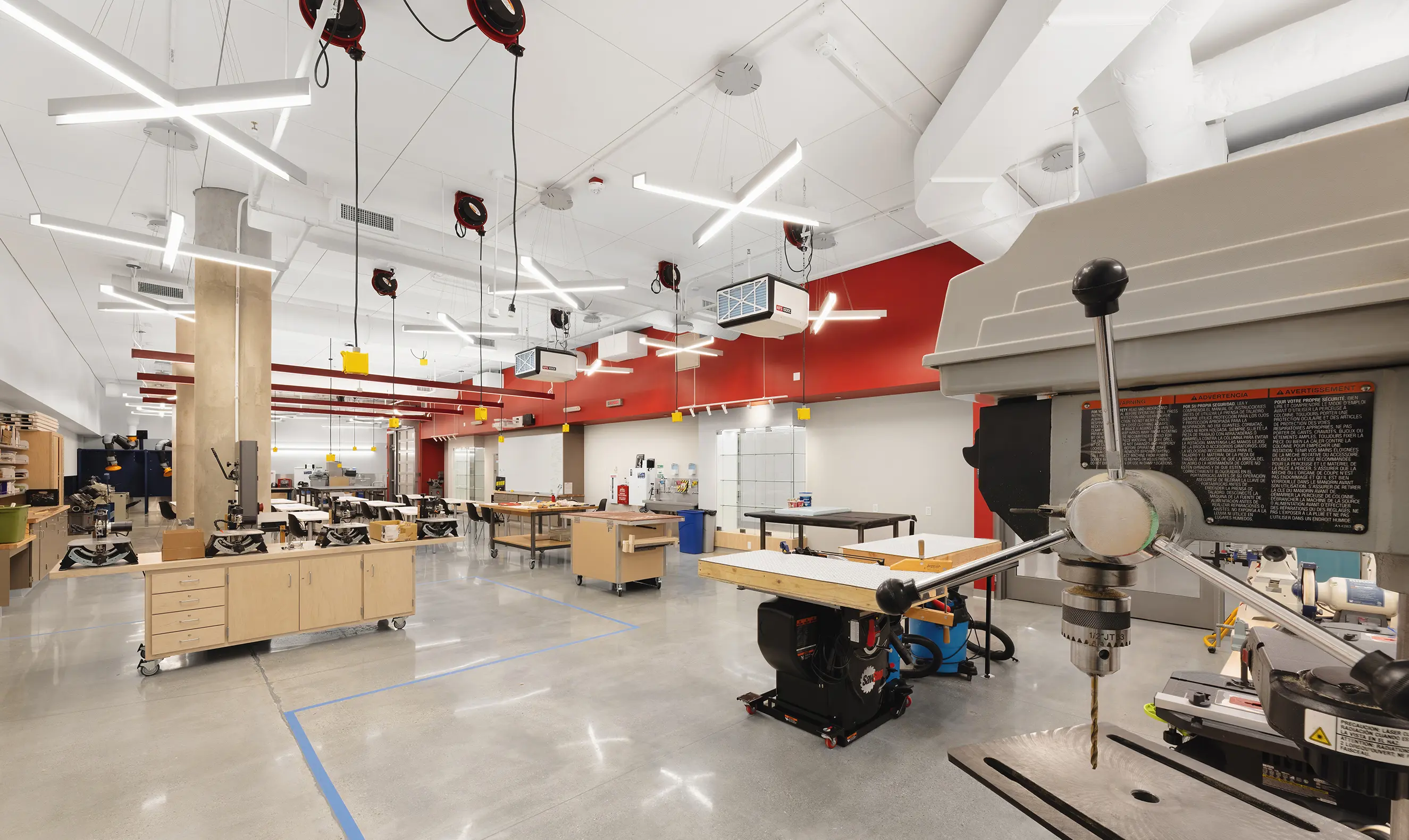
The Primary School (Preschool through Grade 5) is housed in a building constructed in 1998 and expanded in 2011, located in Georgetown. The campus occupies a full city block and offers, in addition to light-filled, roomy classrooms, a colorful library with children's book collections in English, French, and Spanish; the Lasseron Design Lab; an art room; music rooms; a multipurpose room; and a gymnasium. Outdoor facilities include a field, two separate areas with playground equipment, and a paved surface for ball games and other activities.
THE TREGARON CAMPUS
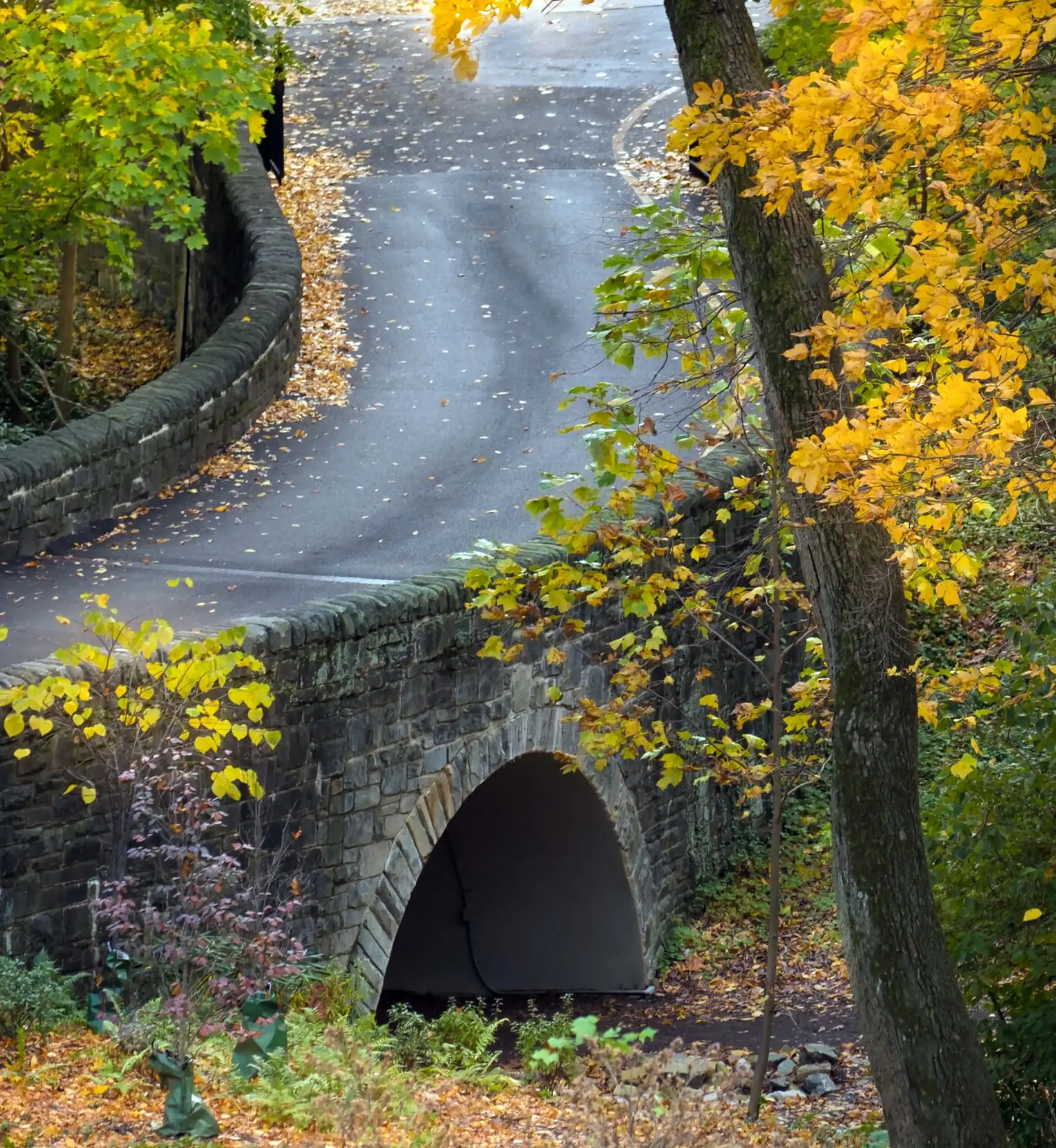
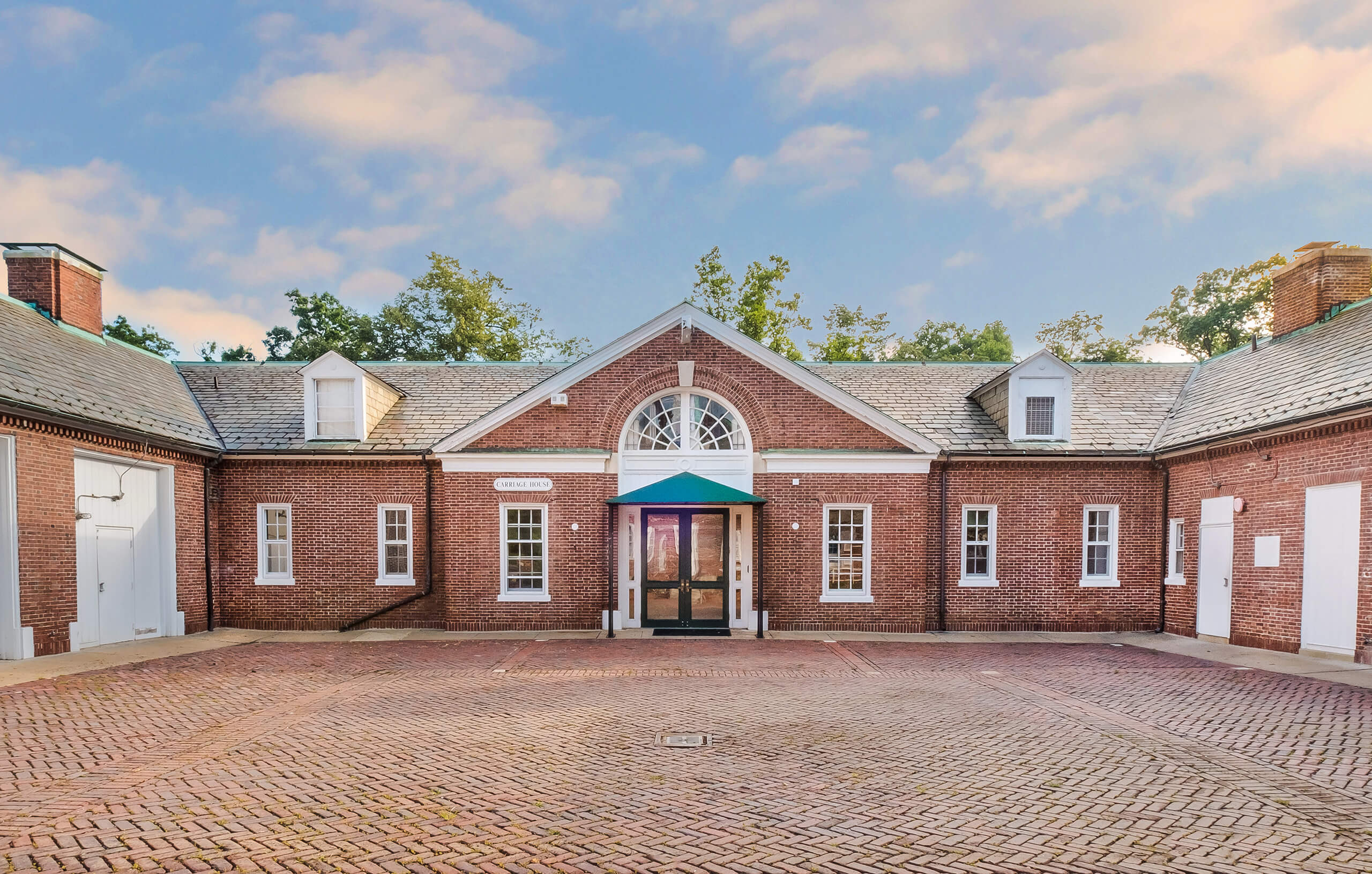
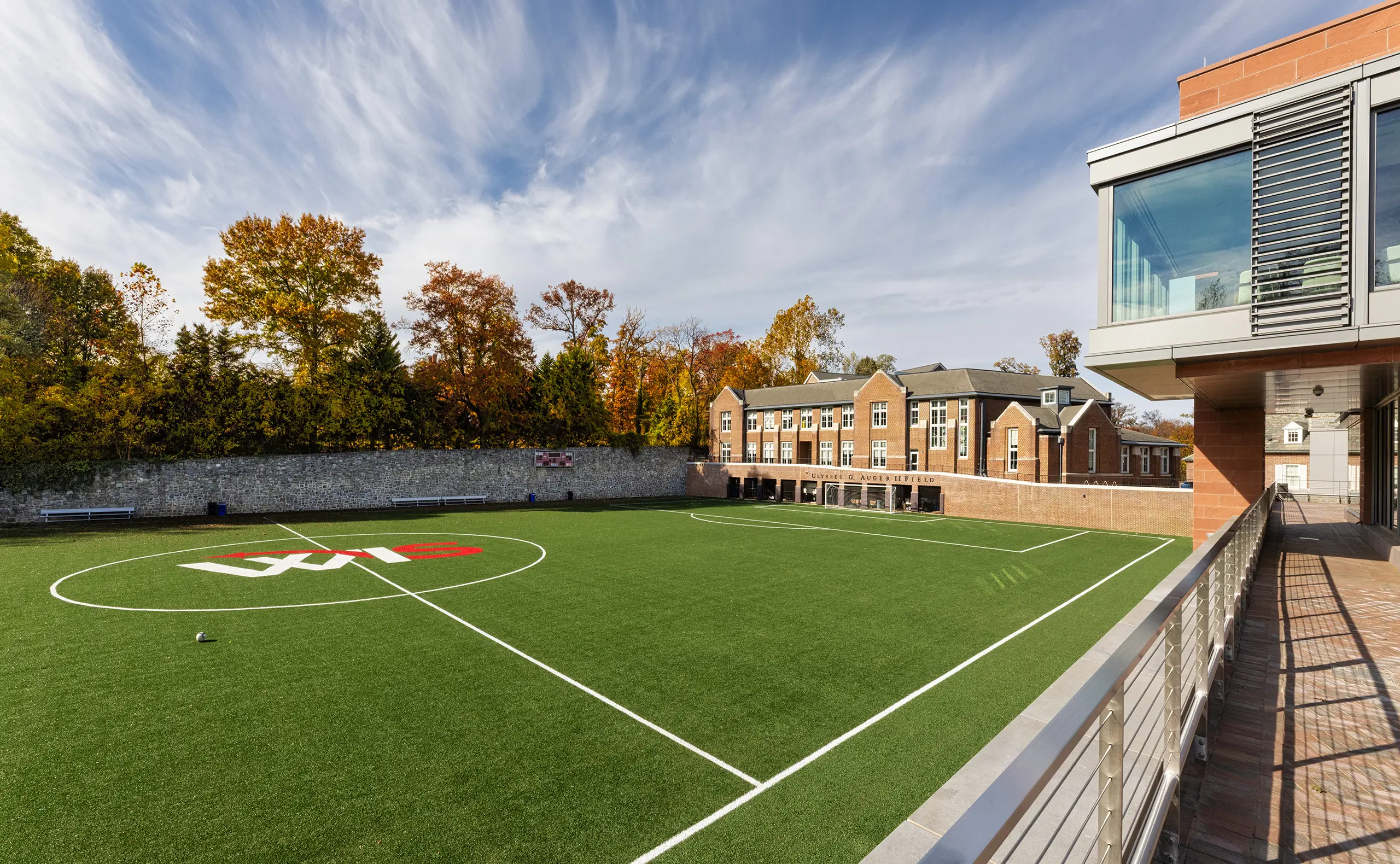
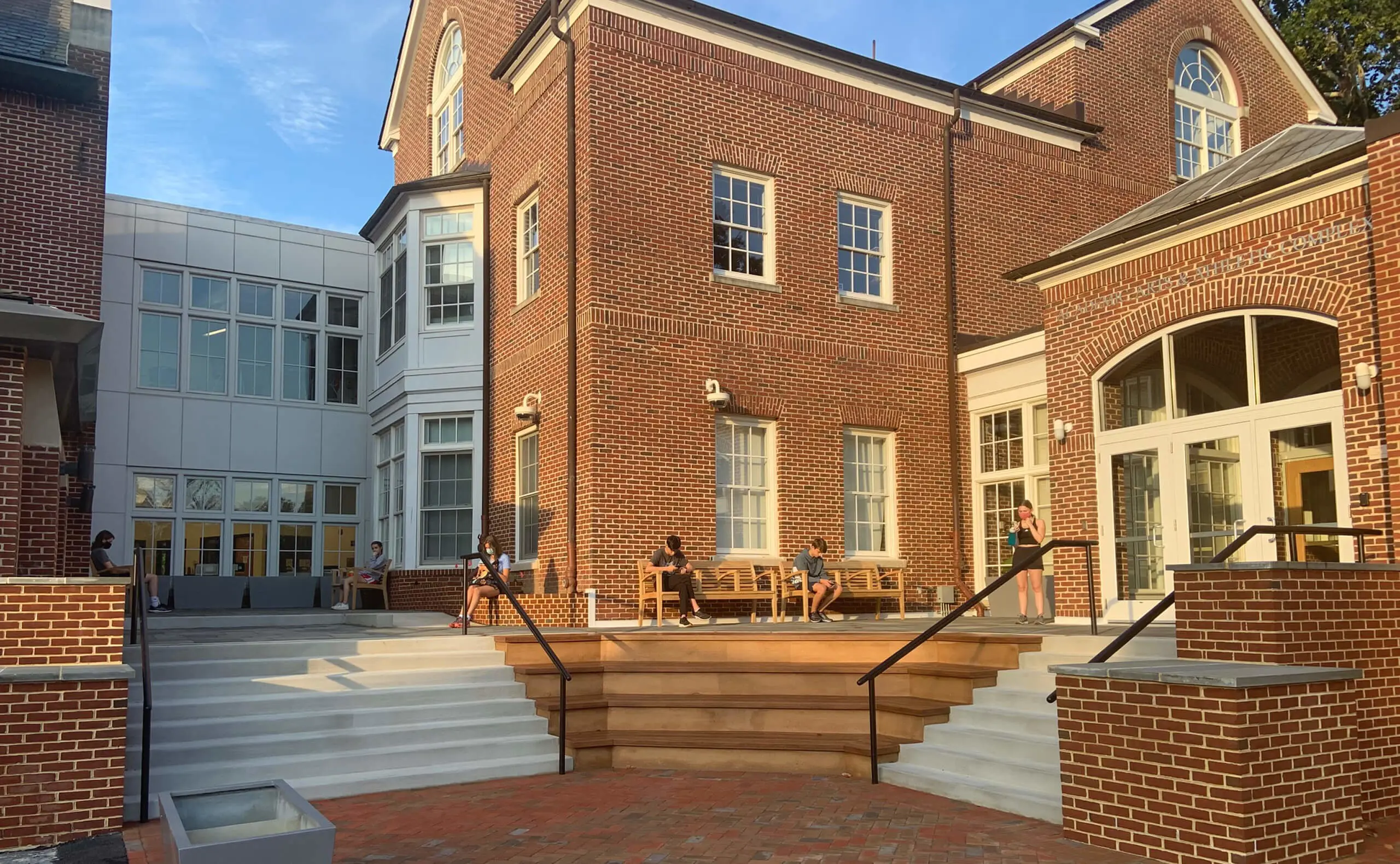
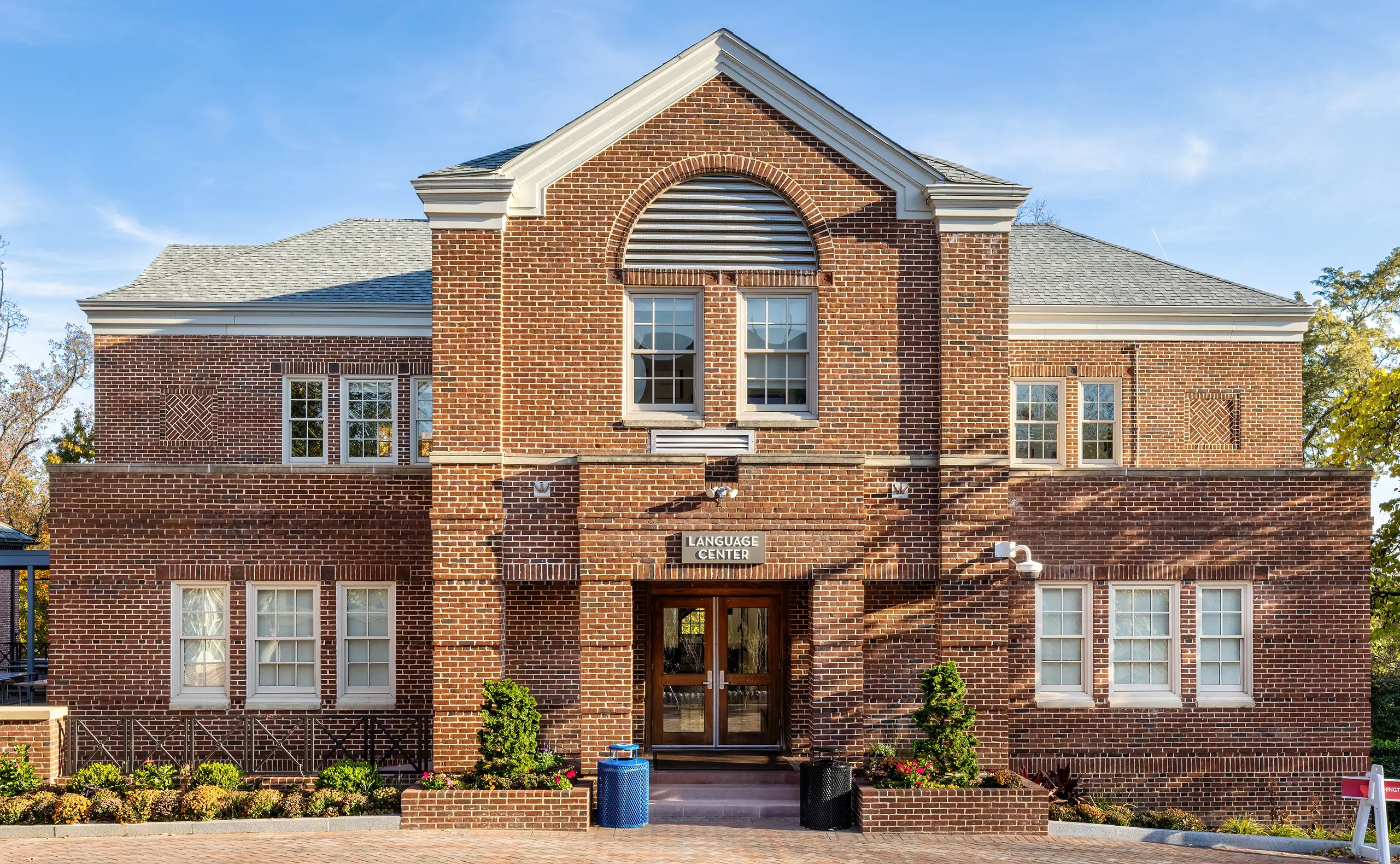
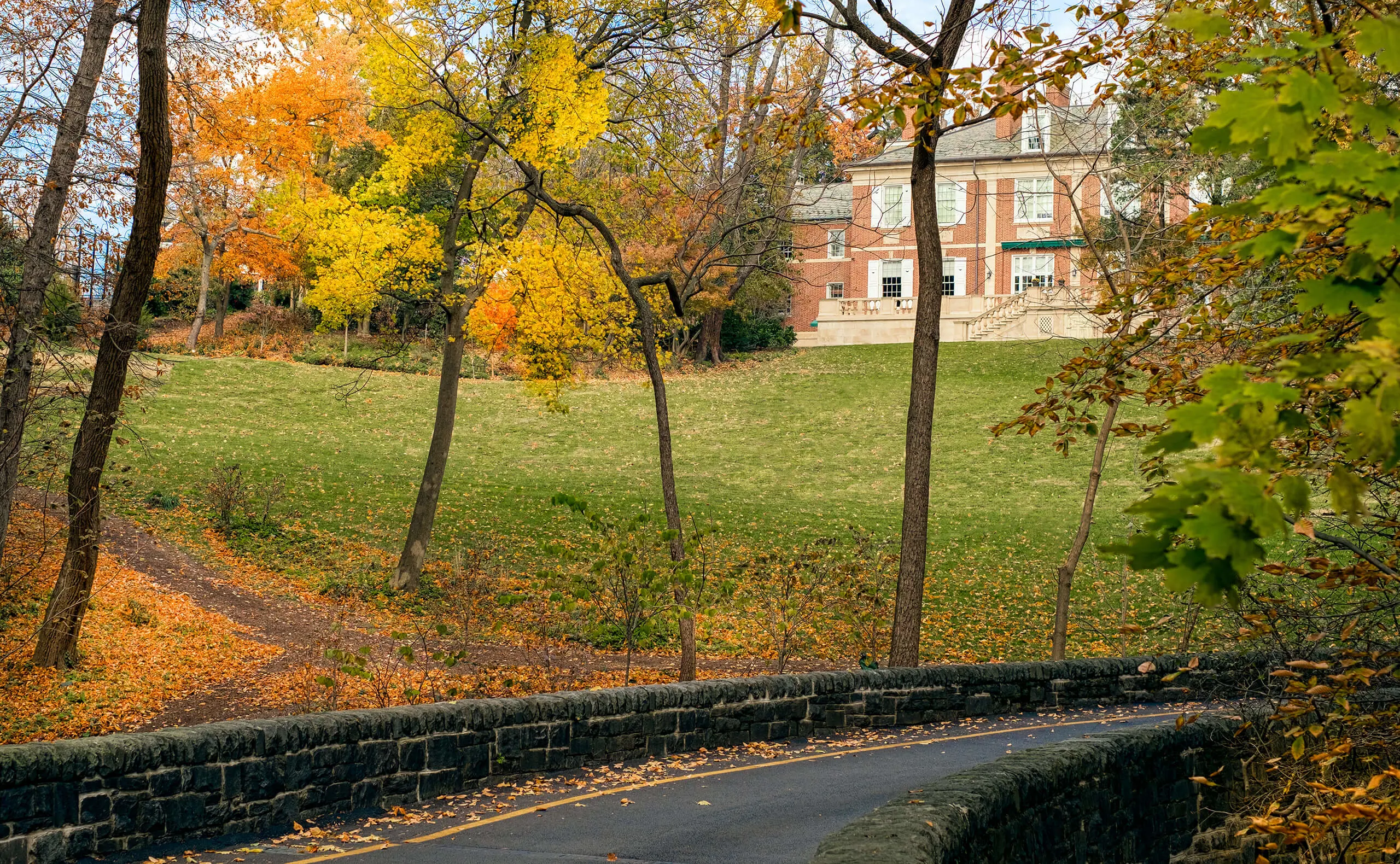
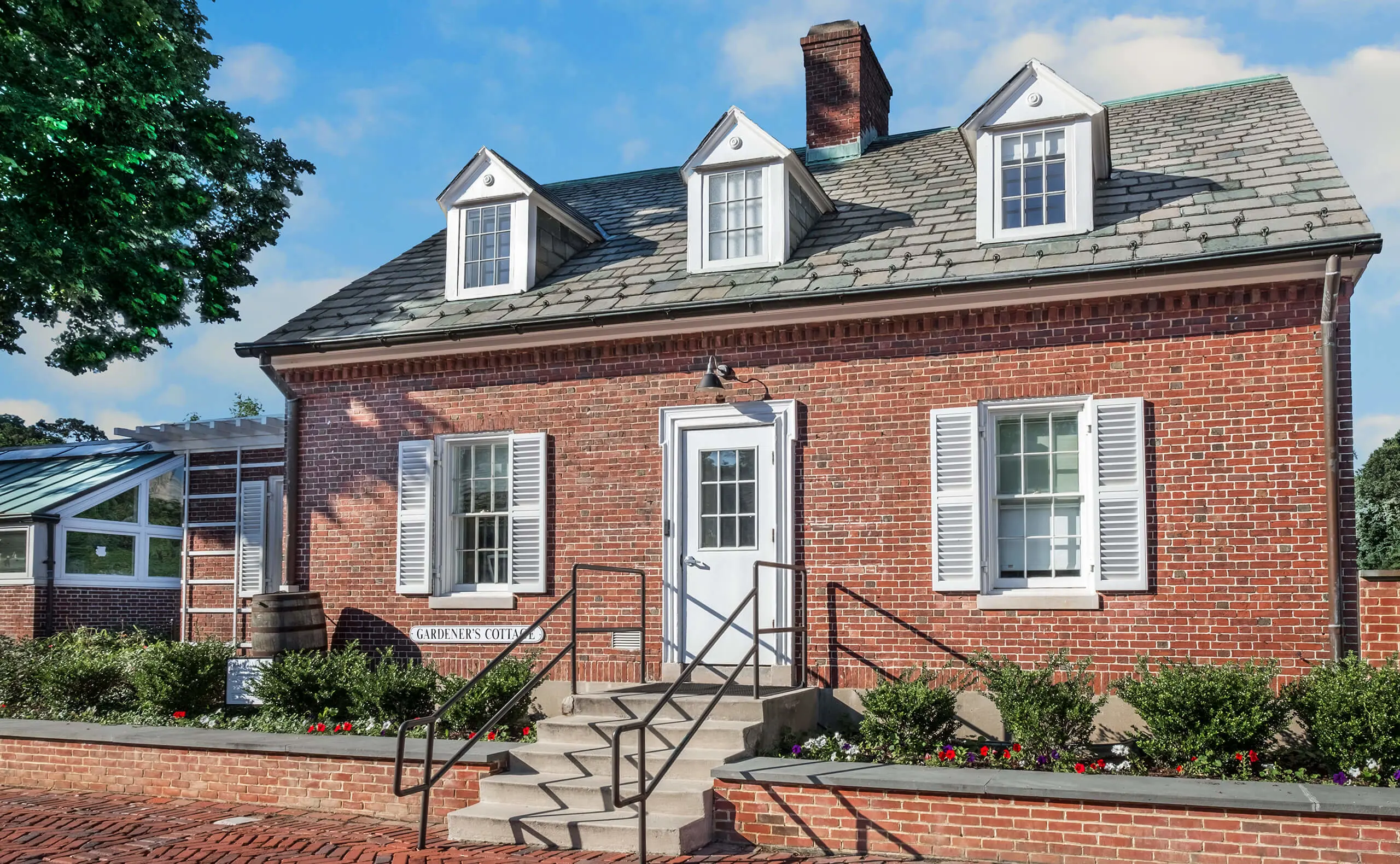
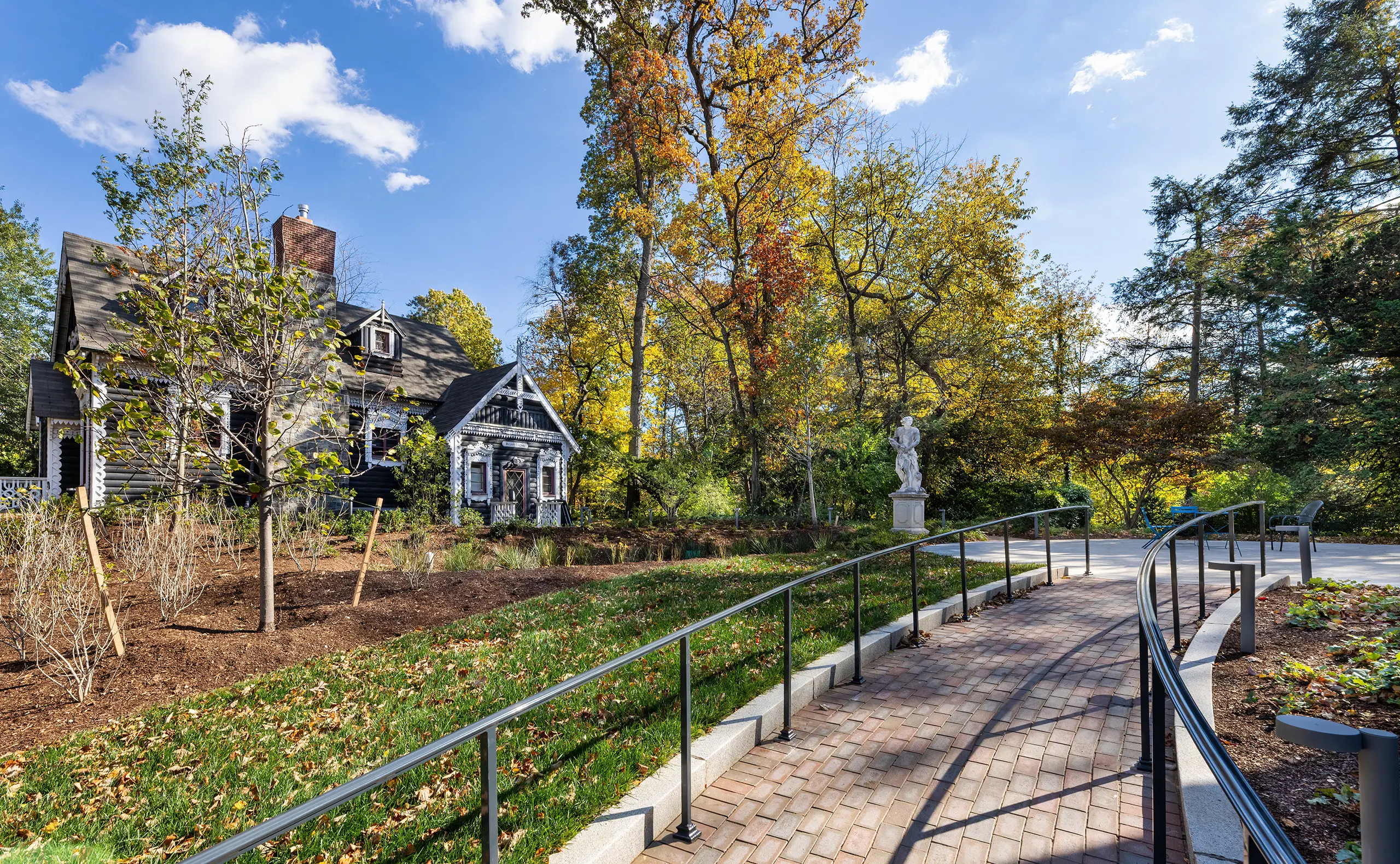
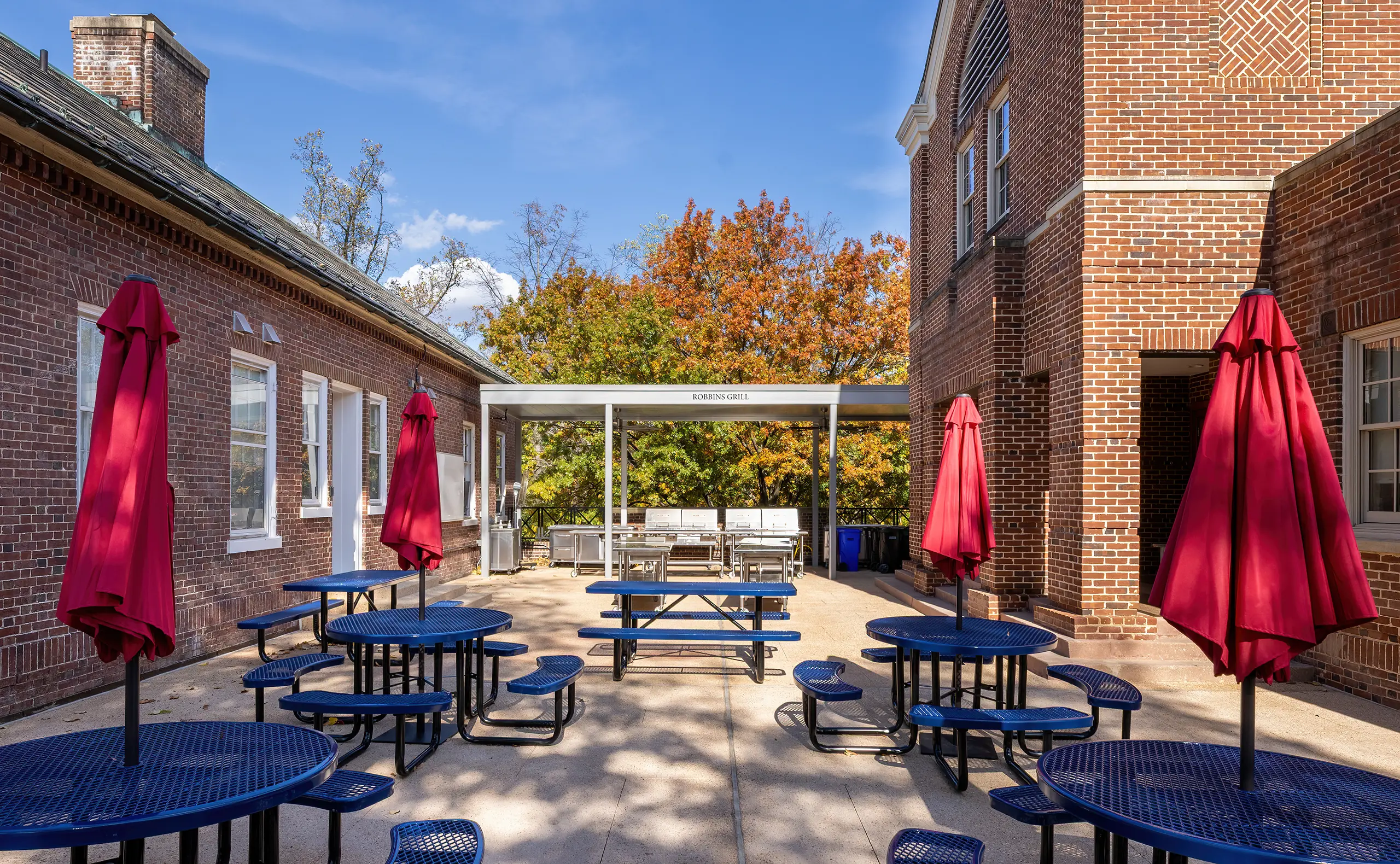
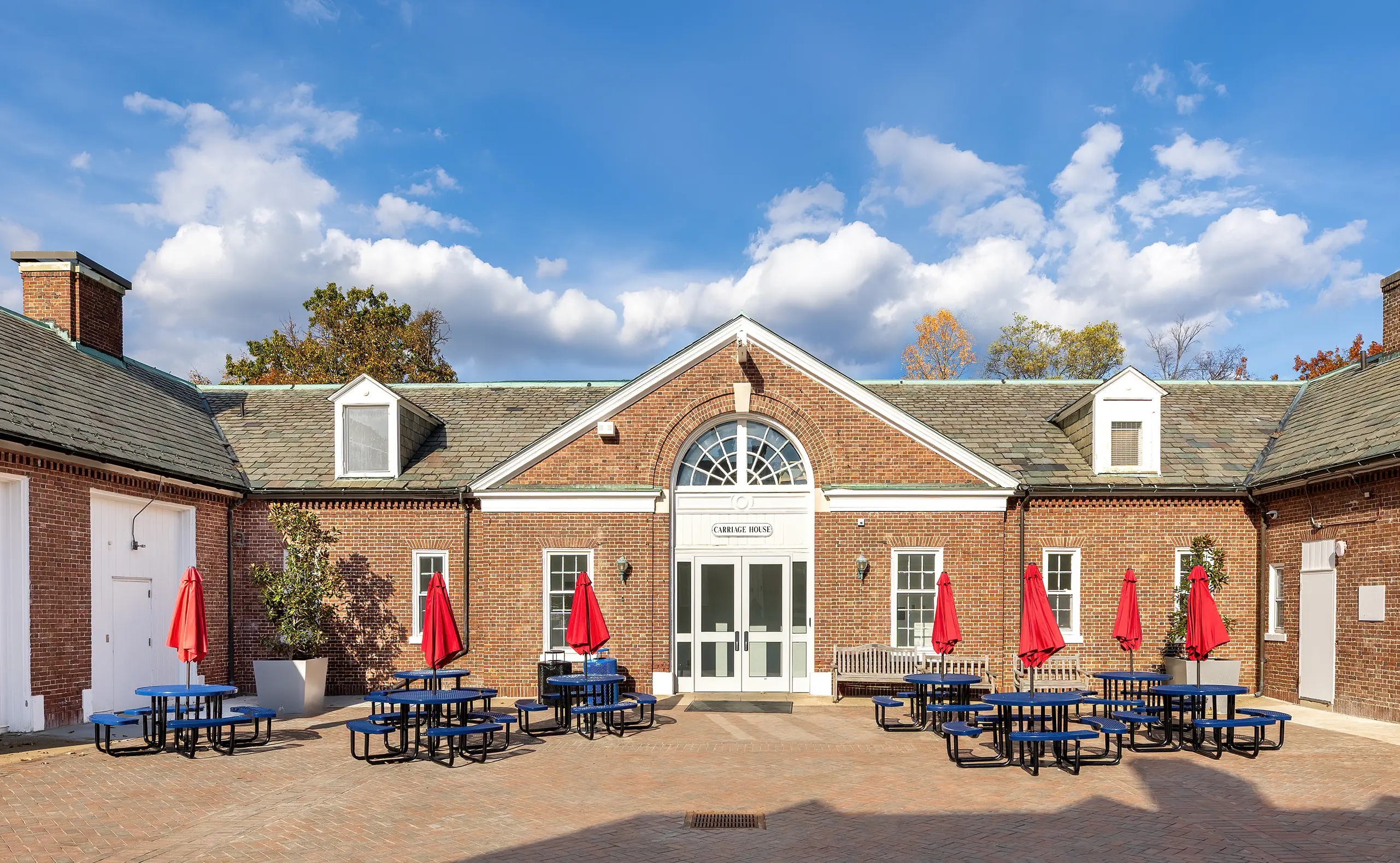
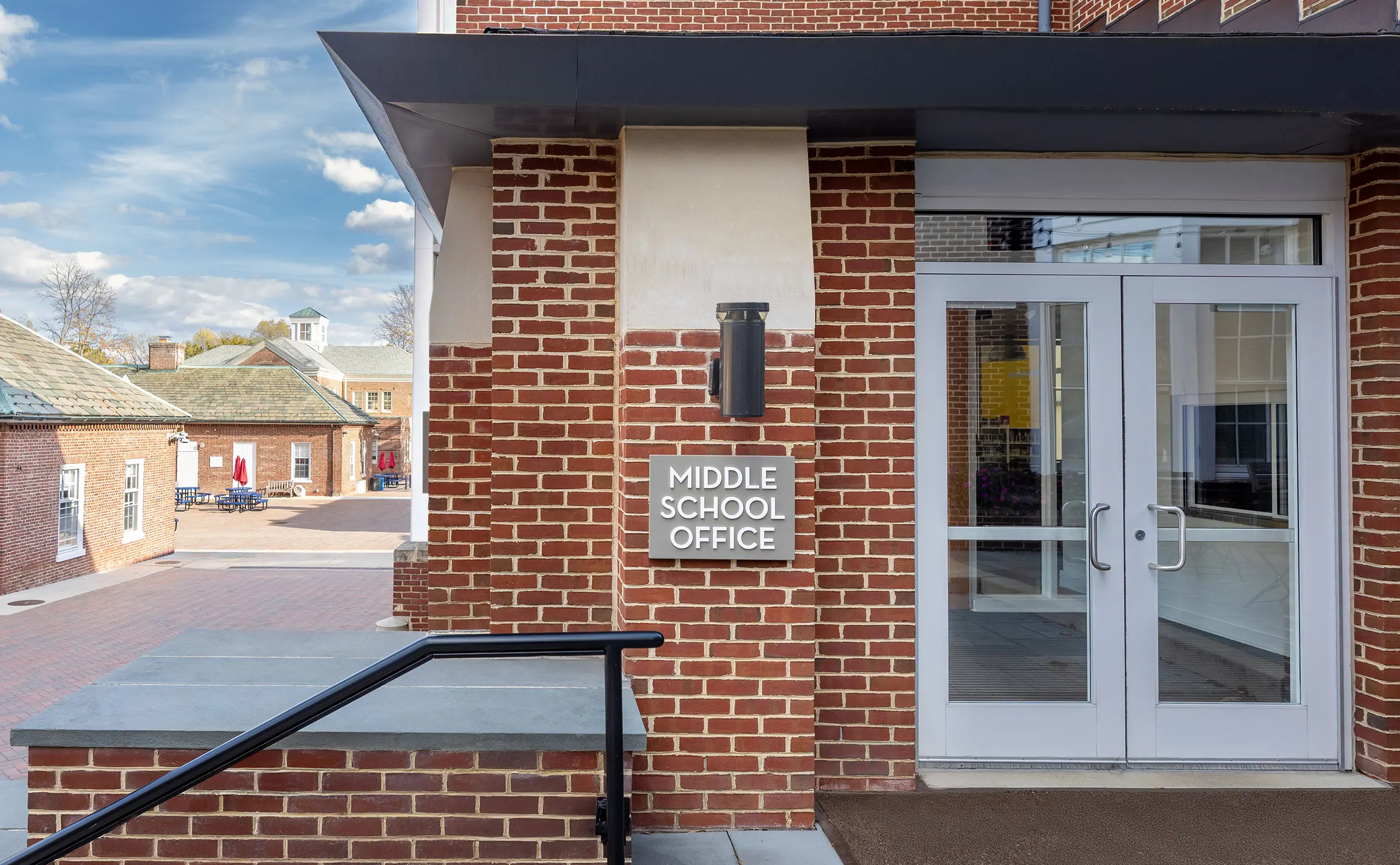
The Middle and Upper Schools (Grades 6 through 12) are located on the Tregaron Campus, six wooded acres in Cleveland Park. It was formerly a residential estate and many of the historic buildings were rehabilitated in the summers of 2013 and 2014. The Campus is surrounded by acres of grass and woodland, with walking paths and a pond, carefully maintained by the Tregaron Conservancy.
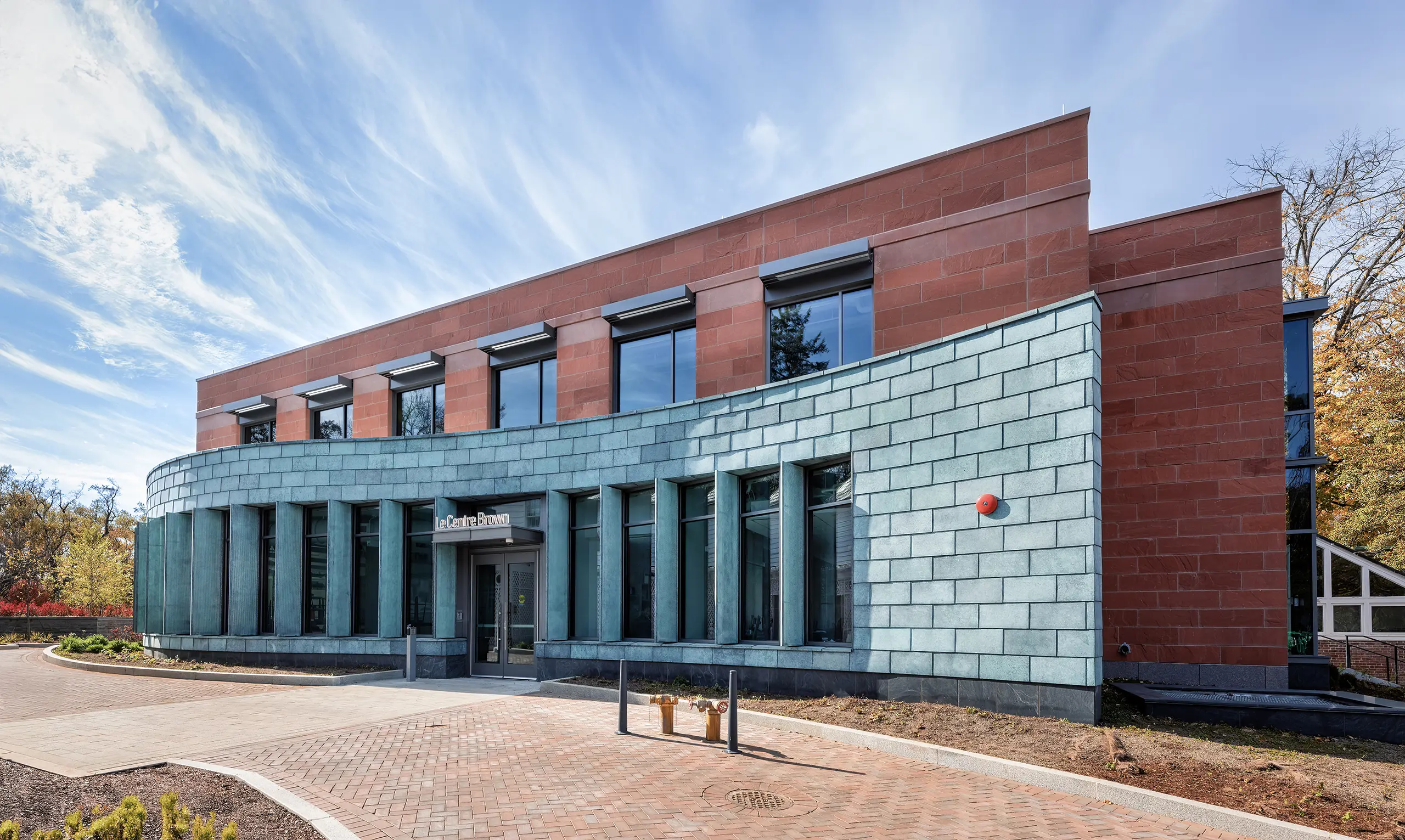
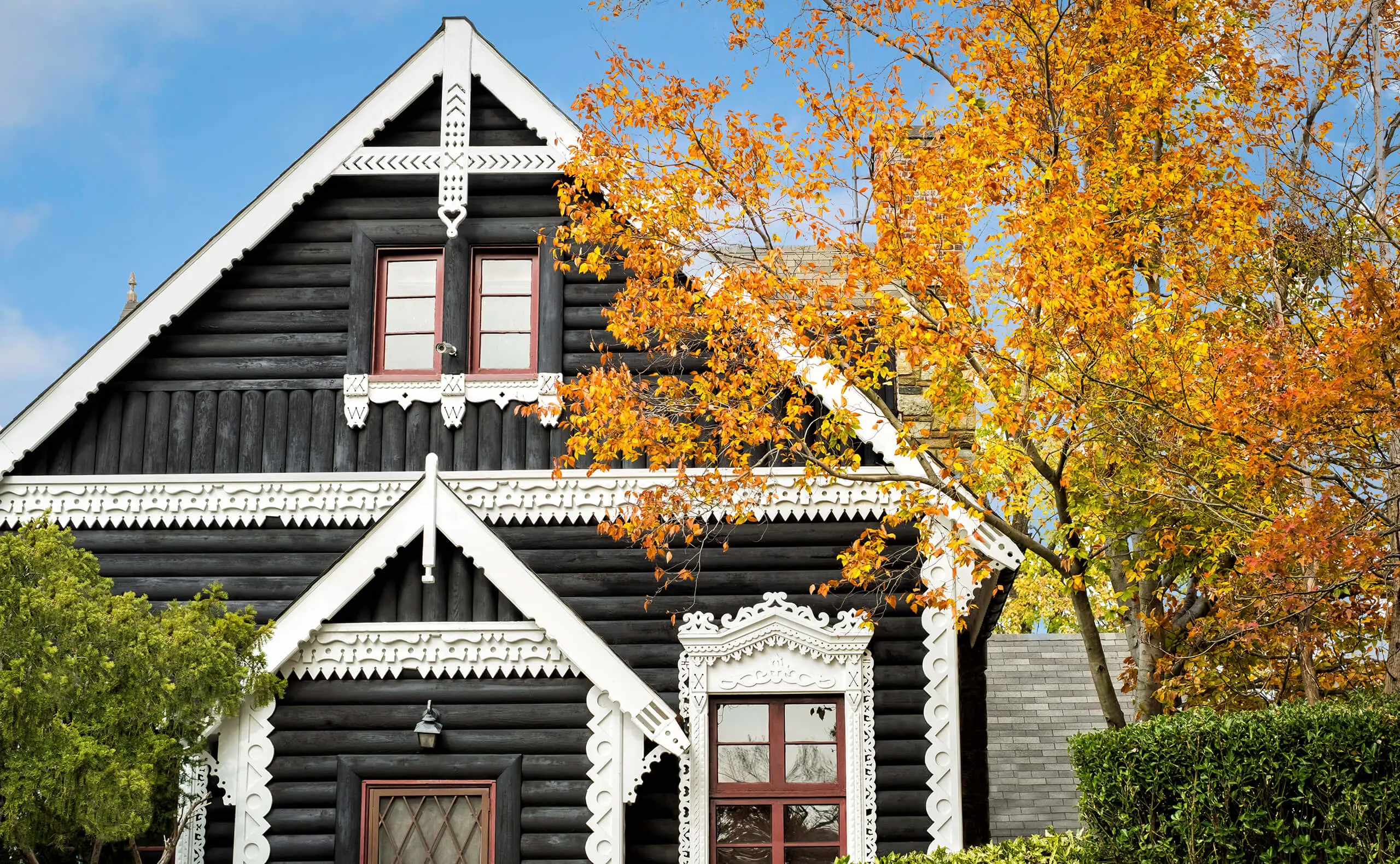
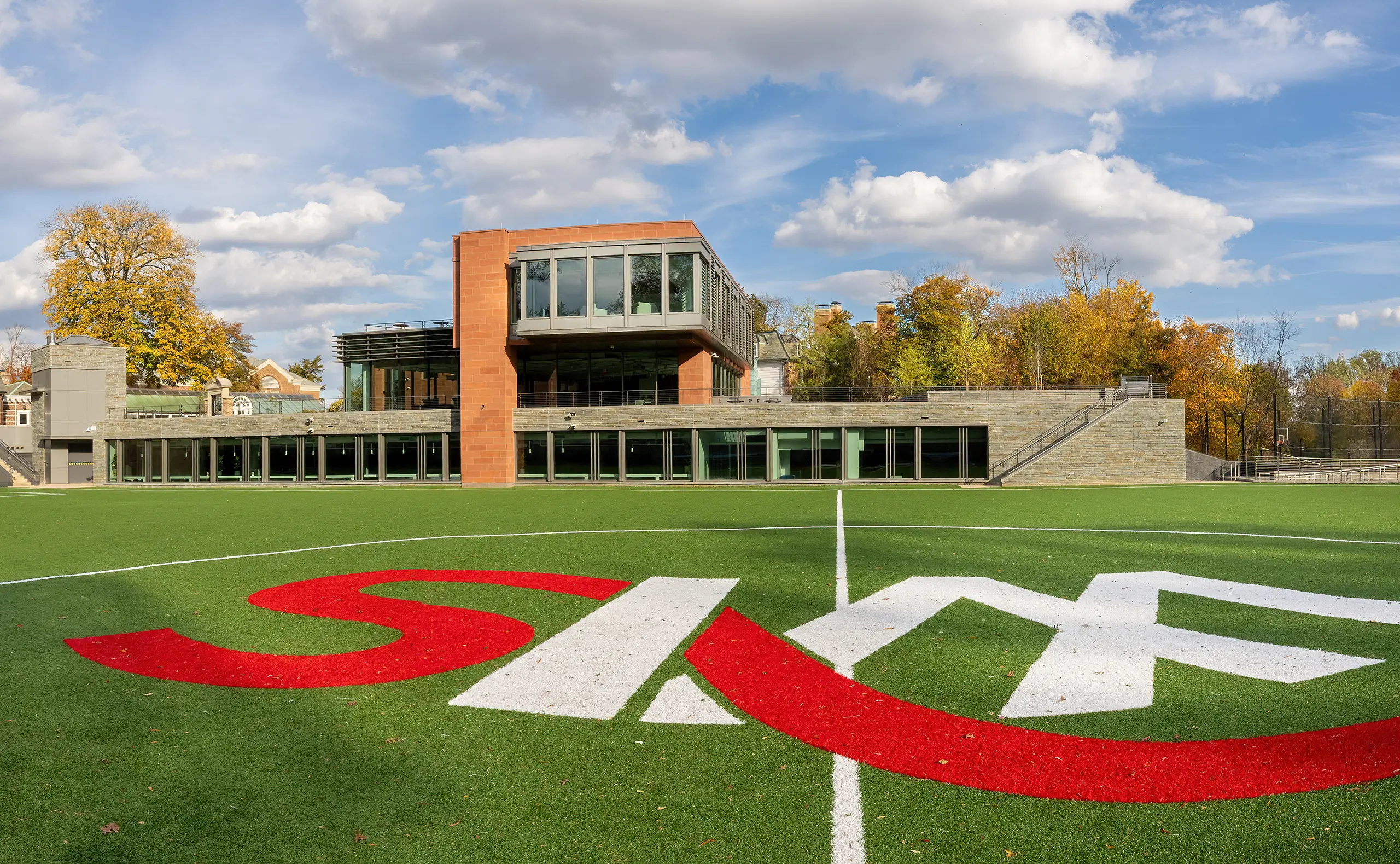
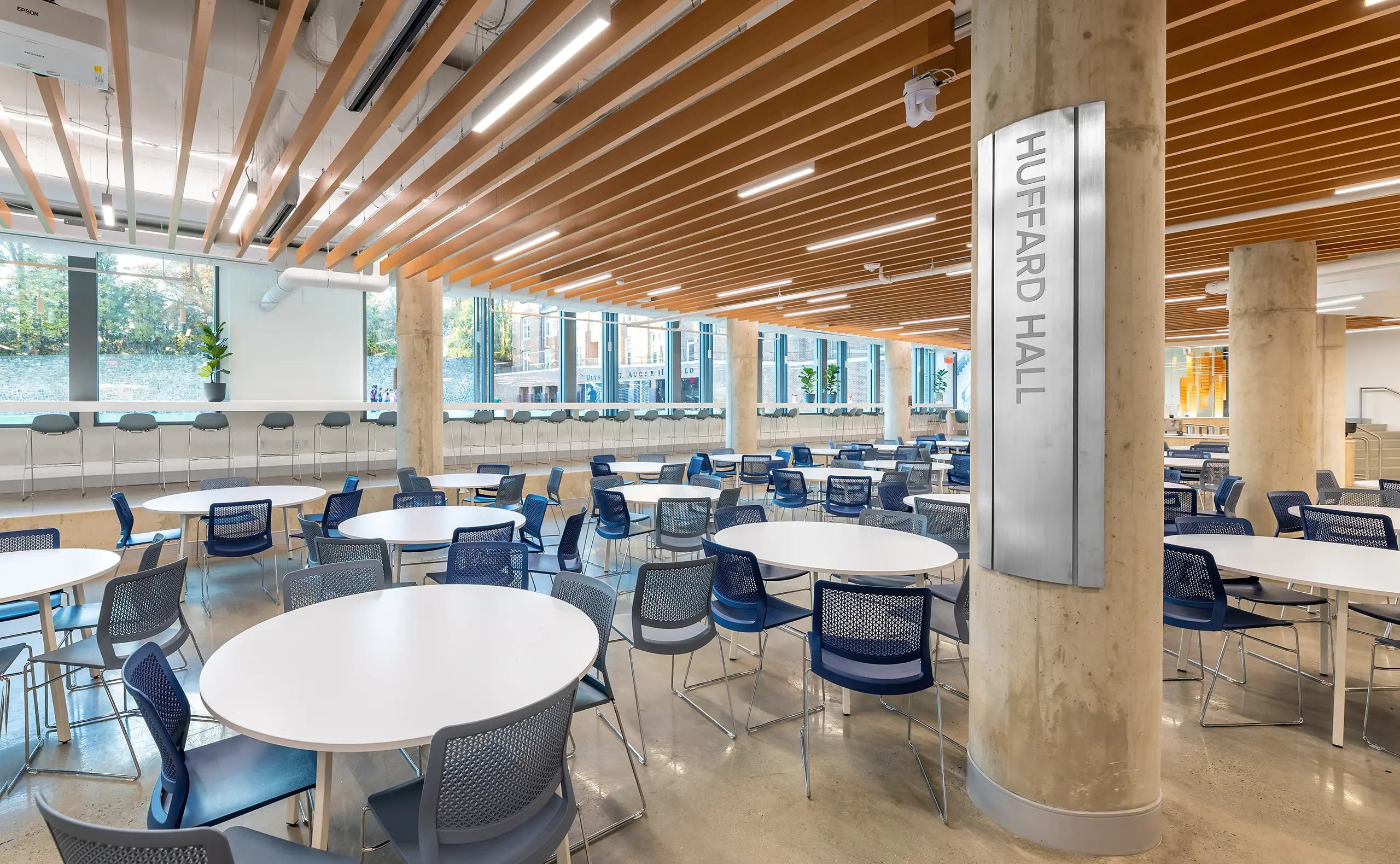
In 2025, the School opened Le Centre Brown, a science-centric facility that provides state-of-the-art science classrooms and a new dining facility. Le Centre Brown joins six other buildings housing classrooms and offices, and a Dacha constructed by previous estate owners Ambassador Joseph E. Davies and Marjorie Merriweather Post.


SUSTAINABILITY AT WIS
We believe environmental stewardship is the responsibility of every citizen of the world. As a school, we support sustainability and hope to foster this consciousness in our students.
Sustainable efforts at WIS include:
- Investment in renewable energy credits commensurate with 100% of WIS's power use. The RECs support demand for new, clean, wind power.
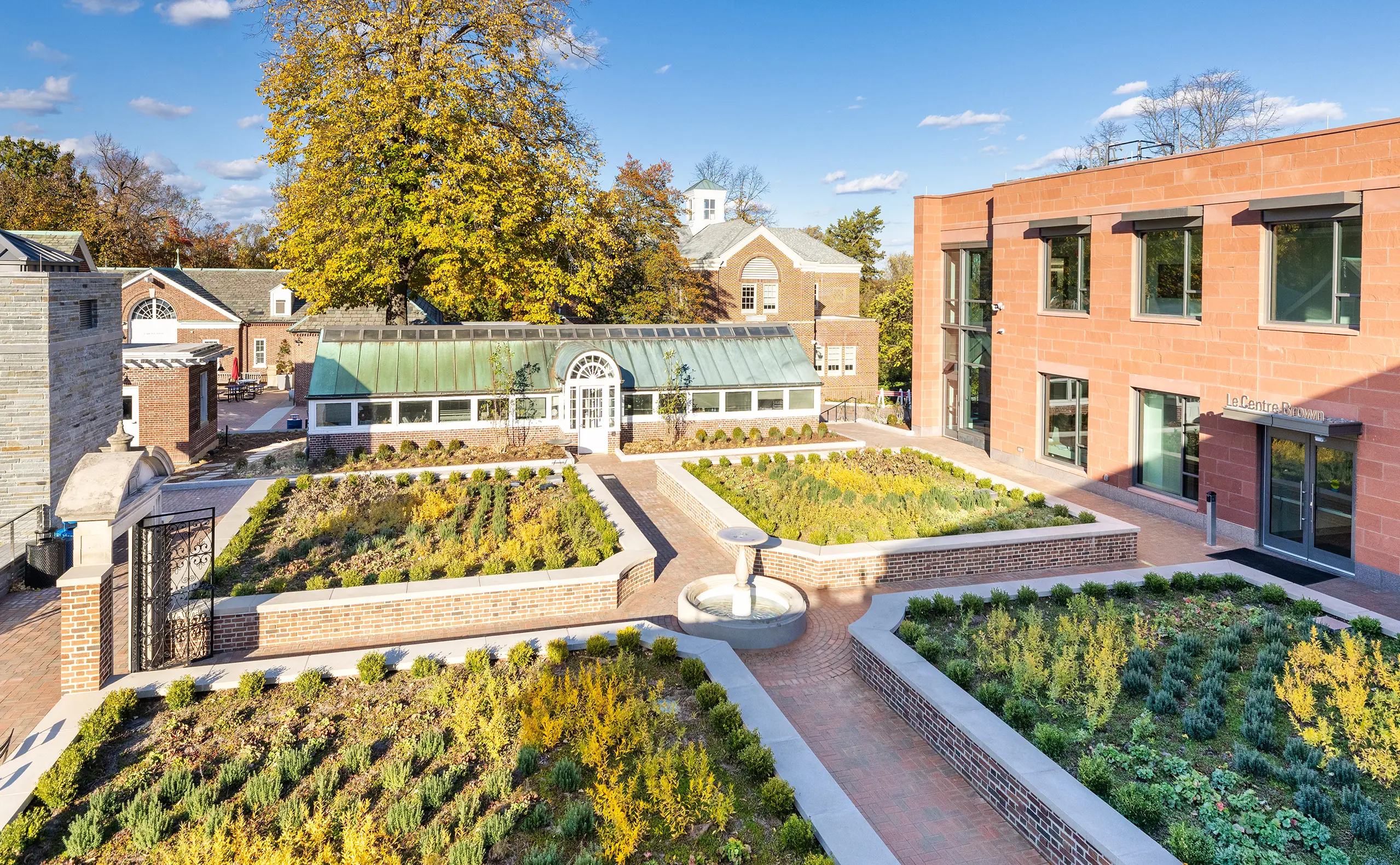
- A green roof on the extension of our Primary School completed in 2011, which improves thermal performance and reduces surface runoff.
- Geothermal power for our historic Mansion, on the Tregaron Campus.
- Interior storm sashes to increase energy efficiency of the Mansion's historic windows.
- Le Centre Brown, completed in summer 2025 and meeting LEED Gold Certification.
- A recycling and composting program, incorporating student involvement.
Le Centre Brown (WIS Science + Building) LEED Certification Details:
This building has been designed and built to meet LEED Gold standards. Here are some of the building’s features that help contribute to environmental sustainability.
SUSTAINABLE SITES
- The building has green roof areas as well as bioretention facilities at the ground level to capture rainwater runoff at the site. These storage and infiltration facilities allow the site to more closely mimic the natural hydrology of the area and retain runoff for the 85th percentile storm.
- The project has a four-square garden that provides open space. Additional garden and landscaped areas are scattered throughout the project and include a diversity of vegetation types and species. Extensive green roofs totaling 3,148 sf are located on top of the building. The site’s landscaping is primarily made up of native plants.
WATER EFFICIENCY
- The project will reduce indoor water consumption by 30.56% compared to the LEED baseline through the use of water-efficient plumbing fixtures. Efficient plumbing fixtures result in an estimated 112,810 gallons of water saved per year compared to the LEED baseline. Plumbing fixture flow rates are below:
- Lavatory faucets – 0.5 gallon per minute
- Toilets – 1.28 gallon per flush
- Kitchen Faucets – 1.5 gallon per minute
- Urinals – 0.125 gallons per flush
- The landscape design includes drip and rotor irrigation systems which results in 71% water use reduction compared to the LEED baseline. The landscape design also increases water efficiency due to the use of native plants for most of the landscaping.
ENERGY & ATMOSPHERE
- The project has been designed to meet and exceed ASHRAE 90.1-2010 energy standards. A whole building energy model was developed to determine the building’s energy performance and savings. The projected energy savings are 30.7% in energy cost compared to the ASHRAE 90.1-2010 baseline. Energy efficiency measures are below:
- Lighting design is 21% more efficient than the ASHRAE 90.1 baseline;
- HVAC system uses efficient water source heat pumps;
- Demand-control ventilation that reduces the ventilation supply based on occupancy;
- Energy Star certified foodservice equipment is installed in the school kitchen;
- A 75 kW solar photovoltaic system has been installed for the project which saves approximately 88,000 kWh of energy per year.
MATERIALS & RESOURCES
- The project implemented a construction waste management plan during construction to recycle or otherwise divert materials from disposal. The project diverted a total of 754 tons of material from disposal.
- The school has a composting service which collects all of the food waste generated at the site. Composting collection bins are located in the school’s kitchen, cafeteria and in the gallery.
- A life cycle analysis was conducted for the building structure and enclosure materials which found that the building’s materials have reduced life cycle impact compared to the LEED baseline. These impact reductions were mostly driven by use of concrete with an increased amount of slag rather than conventional cementitious material. Life cycle impact reductions are summarized as follows:
- GHG emissions were reduced by 19.8% compared to the baseline;
- Eutrophication impacts were reduced by 17%;
- Non-renewable energy use was reduced by 11%.
INDOOR ENVIRONMENTAL QUALITY
- Construction IAQ management was conducted to protect ductwork and HVAC systems from construction debris and contaminants generated during construction.
- Another measure to improve indoor air quality was use of low VOC paints and coatings, adhesives, sealants, insulation, and flooring. These permanently installed finishes were low VOC materials per LEED standards.
